Managing employee attendance is an essential part of running an organized and productive business. Traditional attendance registers, spreadsheets, and manual timesheets can consume valuable administrative time while increasing the risk of errors. As businesses adopt digital workplace solutions, an employee attendance tracking app provides a convenient way to record, monitor, and manage employee working hours from a centralized platform.
What Is an Employee Attendance Tracking App?
An employee attendance tracking app is a digital solution that helps organizations record employee check-ins, check-outs, working hours, absences, late arrivals, and leave. Depending on the platform, employees may be able to mark attendance using smartphones, web applications, biometric integrations, GPS-based features, or other authentication methods.
The collected attendance information can be viewed by HR teams and managers through dashboards and reports. This makes it easier to understand workforce attendance without maintaining paper records or manually updating spreadsheets.
Why Businesses Need Digital Attendance Tracking
As companies grow, monitoring attendance manually becomes increasingly difficult. HR teams may have to process attendance information for employees working across different departments, shifts, branches, or locations. Even a small data-entry mistake can affect attendance records and payroll calculations.
An employee attendance tracking app can automate much of this process. Employees can record attendance digitally, while managers can review attendance information in real time. This reduces repetitive administrative work and helps create a more consistent attendance management process.
Key Features to Look For
When choosing an attendance tracking application, businesses should evaluate features according to their workforce requirements. Important capabilities may include:
Digital Check-In and Check-Out: Employees can record their working hours quickly without relying on physical attendance registers.
Real-Time Attendance Monitoring: Managers can view employee attendance information and identify absences or delays promptly.
Leave Management: Employees can submit leave requests digitally, while managers can review and approve them through the same platform.
Shift Management: Businesses with multiple shifts can create schedules and monitor attendance according to different working hours.
Overtime Tracking: The system can help record additional working hours and provide information for payroll processing.
Reports and Analytics: HR teams can generate attendance reports covering working hours, absences, late arrivals, leave, and overtime.
Mobile Accessibility: Employees and managers can access attendance information from smartphones, making the solution suitable for remote and field-based teams.
Benefits for HR Teams
One of the biggest advantages of an employee attendance tracking app is reduced administrative workload. Instead of manually collecting attendance records, HR professionals can manage employee information through a centralized digital system.
Automation can also improve accuracy. Digital attendance records reduce the need for repetitive data entry and make it easier to identify discrepancies. This can be particularly valuable when attendance data is used for salary calculations.
The reporting capabilities of modern attendance applications can also help HR teams understand workforce trends. They can identify frequent late arrivals, absenteeism patterns, overtime trends, and other attendance-related issues.
Improving Employee Experience
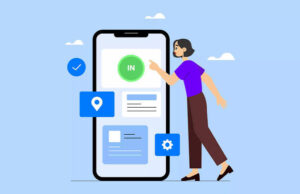
Attendance management should be convenient for employees as well as HR departments. A mobile-friendly employee attendance tracking app allows employees to record attendance and access relevant information without depending entirely on HR staff.
Employees may also be able to view their attendance history, leave balances, work schedules, and approved leave requests. This transparency can reduce confusion and improve communication between employees, managers, and HR teams.
For remote employees and field workers, mobile attendance features can make attendance management more practical. Depending on company policies, organizations may use location-based or other verification methods to confirm attendance.
Supporting Payroll Management
Attendance and payroll are closely connected. Working days, absences, leave, and overtime can influence employee compensation. When these records are maintained manually, HR teams may need to transfer information between multiple systems.
An employee attendance tracking app with payroll integration can help simplify this process. Attendance information can be made available for payroll calculations, reducing duplicate data entry and helping HR teams process salaries more efficiently.
Choosing the Right App
Businesses should consider several factors before selecting an attendance tracking solution. Ease of use, security, scalability, reporting, integrations, mobile functionality, and customer support are important considerations.
The software should also support the organization’s working structure. Companies with multiple branches, flexible schedules, remote teams, or shift-based employees should look for a solution that can accommodate these requirements.
Data security is equally important because attendance systems contain employee information. Businesses should choose platforms with appropriate security controls and access permissions.
Conclusion
Efficient attendance management can improve productivity, reduce administrative work, and provide businesses with better workforce visibility. An employee attendance tracking app brings attendance records, leave management, working hours, and reporting into a convenient digital environment.
By replacing manual attendance processes with an automated solution, businesses can save time, reduce errors, improve transparency, and create a more organized employee management system. For growing organizations, investing in the right attendance tracking technology can provide a strong foundation for efficient workforce operations and better HR management.
